High-Quality Japanese Chopsticks
Wiki Article
High-quality Japanese chopsticks are more than simple dining tools—they certainly are a reflection of craftsmanship, tradition, and refined design. From hand-carved wooden pairs to modern stainless-steel styles, these chopsticks combine functionality with artistry, elevating everyday meals in to a more elegant experience.
The Essence of Quality Craftsmanship
Japanese chopsticks, called hashi, tend to be crafted by skilled artisans who target precision and balance. Unlike mass-produced utensils, premium chopsticks are carefully shaped to be sure comfort, control, and durability.
Many high-end chopsticks are handmade using fliers and other modes such as Urushi lacquering, a centuries-old technique that enhances both beauty and longevity. Historically, lacquerware items were considered luxury goods, valued because of their durability and artistic detail.
Premium Materials Used
The Classic Japanese chopsticks largely is dependent upon the materials used. Some of the most popular options include:
1. Natural Wood and Bamboo
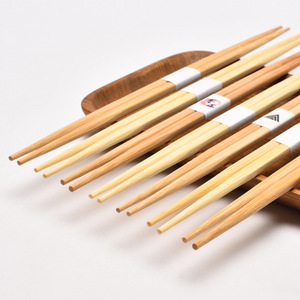
Wooden chopsticks would be the most traditional and widely appreciated. High-quality versions are manufactured from premium woods like ebony, cherry, or chestnut. These materials provide a natural grip and elegant appearance.
For example, ebony chopsticks are known because of their density and balance, offering precise control plus a refined feel.
2. Lacquered Chopsticks (Urushi)
Lacquered chopsticks are coated with natural resin, making a smooth, glossy finish. This not just enhances their aesthetic appeal but additionally improves durability and hygiene.
3. Stainless Steel and Modern Materials
Modern high-end chopsticks may use stainless steel, valued due to the resistance to corrosion, heat, and wear. These designs are sleek, durable, as well as simple to maintain, causing them to be ideal for everyday use.
4. Decorative and Luxury Materials
Some premium chopsticks include decorative elements for example mother-of-pearl, gold detailing, or hand-painted designs, turning them into collectible pieces or luxury gifts.
Key Features of High-Quality Chopsticks
What sets premium Japanese chopsticks apart is the attention to detail:
Tapered tips for precision when selecting up delicate food like sushi
Balanced weight for comfortable handling
Non-slip finish for better grip
Durable construction for long-term use
Elegant design that enhances table presentation
These features ensure both functionality and overall look.
Regional Styles and Traditions
Japan hosts several regional chopstick styles. One of the most famous is Wakasa-nuri chopsticks, known for their layered lacquer designs that can cause a shimmering, textured effect. These chopsticks tend to be practical and artistic, often resembling fine jewelry.
Different regions emphasize unique techniques, patterns, and materials, adding to the diversity of high-quality chopsticks available today.
Why Invest in High-Quality Chopsticks?
Choosing premium Japanese chopsticks offers many perks:
Enhanced dining experience – Better grip and control improve the method that you handle food
Longevity – High-quality materials ensure many years of use
Aesthetic value – Beautiful designs elevate your table setting
Cultural appreciation – Reflects traditional Japanese craftsmanship
While cheaper chopsticks could possibly be convenient, high-quality pairs supply a more refined and sustainable option.
Care and Maintenance
To preserve your chopsticks:
Hand wash wooden or lacquered chopsticks
Avoid prolonged soaking in water
Dry thoroughly after cleaning
Store inside a dry place
Proper care can significantly extend their lifespan, specifically handcrafted pieces.
High-quality Japanese chopsticks represent the right balance between tradition and innovation. Whether produced from fine wood, coated in lacquer, or crafted from modern materials, they embody the Japanese philosophy of combining beauty with functionality.